

Simple Wedding Ideas for Introvert Couples: Not every couple dreams of a 500-guest extravaganza with loud music, crowded dance floors, and endless small talk with relatives they barely recognise. Some couples — and there are far more of them than society acknowledges — want something quieter. Something that actually feels like them.
If you or your partner identify as introverts, planning a wedding can feel genuinely overwhelming. The idea of being the centre of attention for hours, performing traditions in front of hundreds of people, and navigating an exhausting social marathon can overshadow what should be the happiest day of your life.
But here’s the good news: you don’t have to do any of that.
In 2026, more Indian couples than ever are choosing weddings that prioritise meaning over magnitude, connection over spectacle, and peace over performance. This guide is packed with practical, heartfelt ideas to help you design a wedding that respects your personality while still being everything you dreamed of.
Why Introvert Couples Need a Different Approach to Weddings
Before we jump into the ideas, let’s clear something up. Being introverted doesn’t mean you’re shy, antisocial, or incapable of having fun. It simply means that large social gatherings drain your energy rather than fuel it. You recharge through quieter, more meaningful interactions — and there’s absolutely nothing wrong with that.
The problem is that traditional Indian weddings are designed around extroverted energy. Loud baraat processions, packed reception halls, back-to-back ceremonies with hundreds of onlookers, spotlight dances, public speeches — these are all wonderful for people who thrive in those situations. But for introverts, they can turn a celebration into an endurance test.
The good news? You get to choose what your wedding looks like. Every single tradition is optional. Every expectation can be adjusted. Your wedding should leave you feeling happy and connected, not exhausted and relieved it’s over.
Simple Wedding Ideas That Introvert Couples Will Genuinely Love
1. Host a Micro-Wedding With Only Your Closest People

Micro-weddings — celebrations with anywhere from 15 to 50 guests — are one of the fastest-growing wedding trends in India right now, and they’re perfectly suited for introverted couples. When you trim the guest list to only the people who truly matter, something magical happens. Every conversation becomes real. Every shared moment feels intimate. You actually remember your own wedding day instead of it passing by in a blur of unfamiliar faces.
A practical way to think about your guest list: if you wouldn’t invite someone for a quiet dinner at your home on a regular evening, they probably don’t need to be at your wedding. This filter alone can cut most guest lists dramatically.
Micro-weddings also open up venue possibilities that larger weddings can’t accommodate — boutique hotels, heritage homes, private villas, rooftop restaurants, or even your own family’s backyard. The intimacy of the setting matches the intimacy of the moment.
2. Consider Eloping First, Celebrating Later
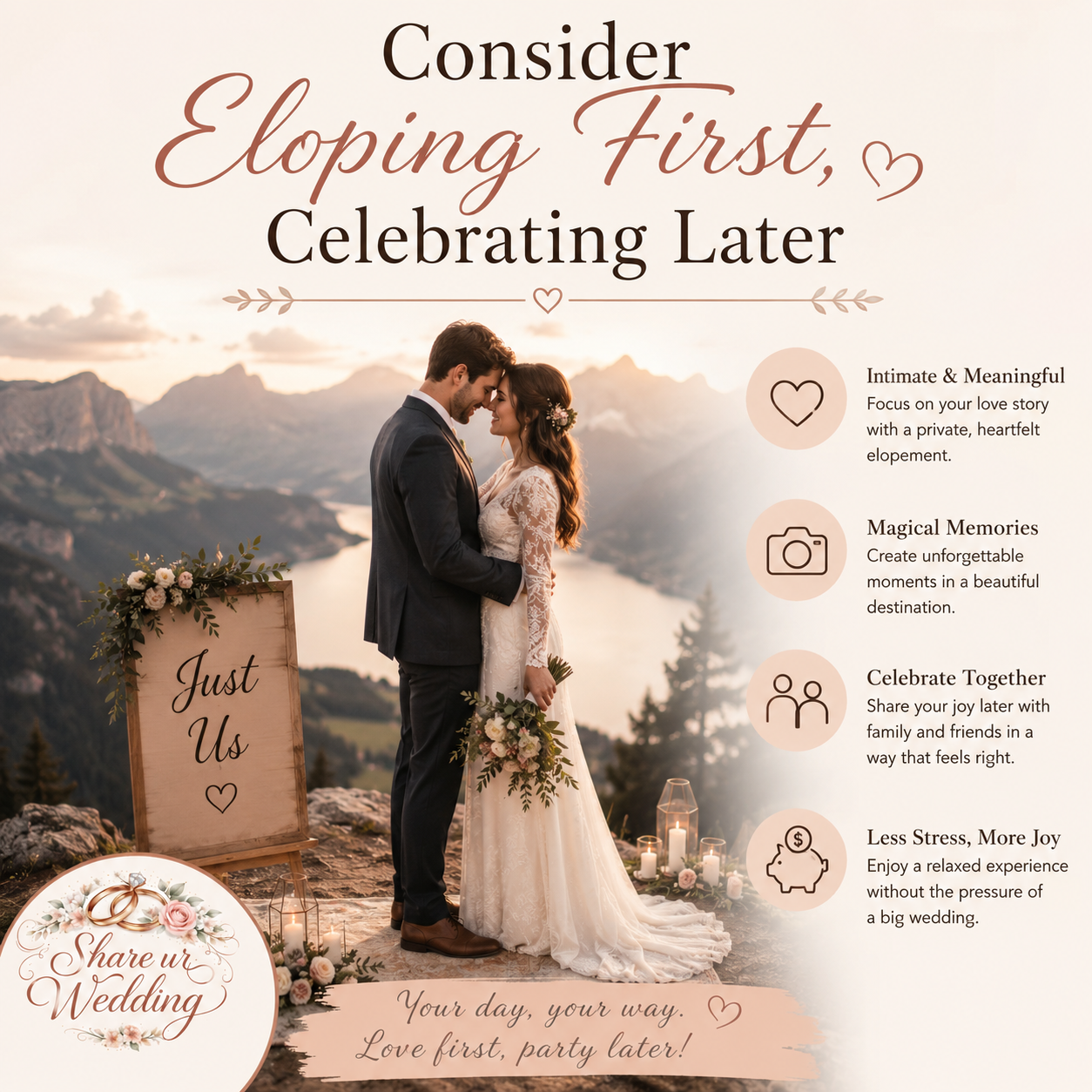
Here’s an idea that more Indian couples are embracing in 2026: separate the legal and emotional act of getting married from the social celebration. You can have a deeply private ceremony — just the two of you, perhaps with immediate family and a photographer — in a setting that feels meaningful. A temple you both love. A quiet beach at sunrise. A hilltop with a view that takes your breath away.
Then, weeks or months later, host a reception or dinner party for the wider circle. By that point, the pressure of “the moment” is gone. You’ve already said your vows in the way that felt right. The party becomes just a party — something to enjoy rather than survive.
This approach is especially powerful for introverted couples because it separates the vulnerable, emotional moments from the public performance. You get to be fully present for both, instead of overwhelmed by trying to do everything at once.
3. Skip the Wedding Party If It Doesn’t Serve You

The tradition of having a large bridal party — bridesmaids, groomsmen, flower girls, ring bearers — adds logistical stress and more people to manage during an already emotional day. For introverts, it can also mean having too many people in your personal space during the most intimate hours of your life.
You don’t need a wedding party. You can choose one close friend or sibling to be with you while getting ready. Or you can choose nobody at all. Some couples even get ready together, spending those quiet pre-ceremony hours as a team — calming each other’s nerves, sharing the anticipation, and grounding themselves before the day begins.
The people who love you understand your personality. This won’t come as a surprise to them.
4. Do a Private First Look Instead of a Public Reveal
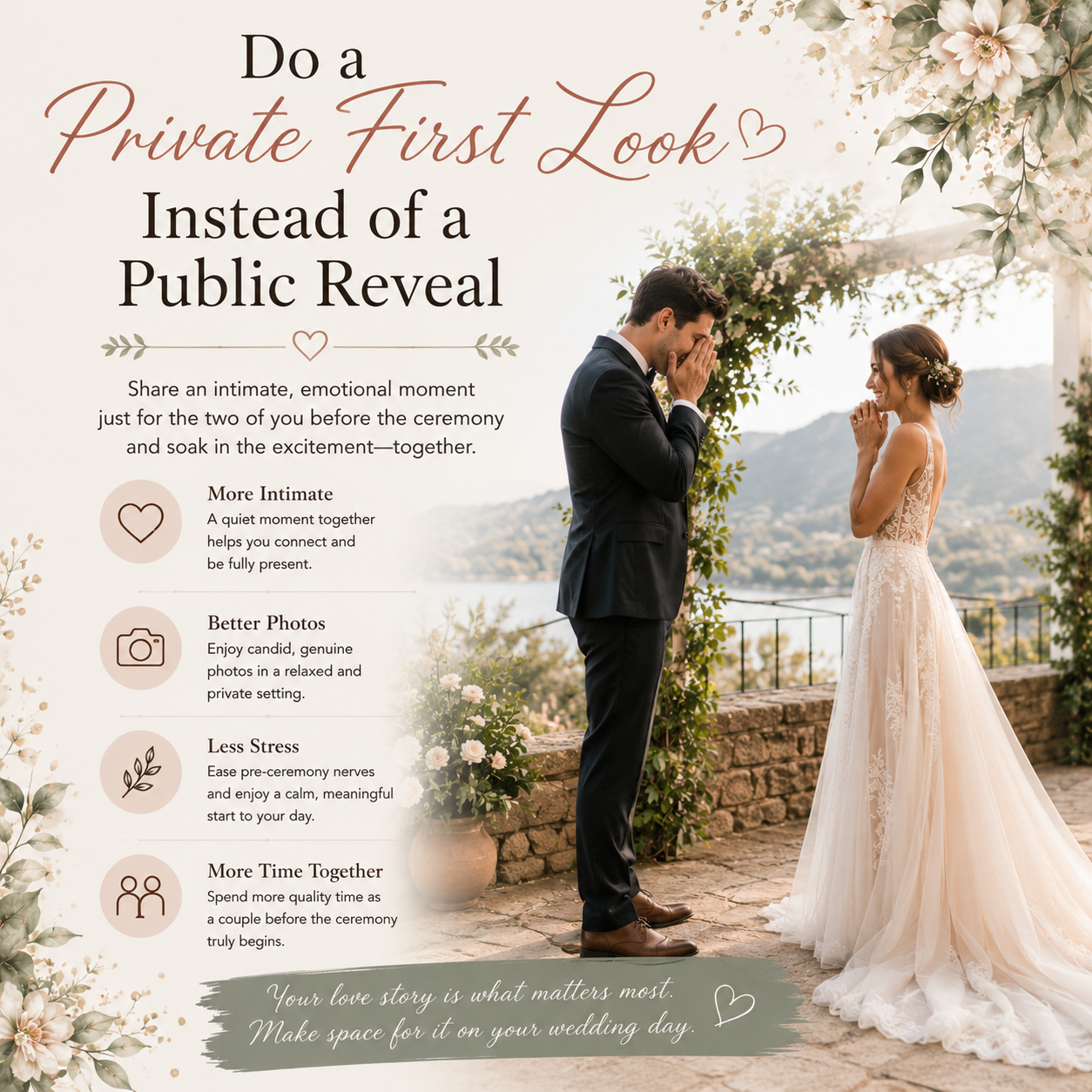
In traditional weddings, the first time the couple sees each other is during the ceremony — in front of everyone. For introverts, this means experiencing an intensely emotional moment while hundreds of eyes are on you. That can make it hard to actually feel anything beyond nervousness.
A private first look changes everything. Before the ceremony starts, your photographer arranges a moment where you and your partner see each other for the first time in your wedding attire — just the two of you, in a quiet space. No audience, no pressure.
Couples who do first looks consistently say it was the best part of their wedding day. The nerves dissolve. The emotions are genuine because they’re not being performed. And the photographs from these moments tend to be stunning because the feelings are completely unguarded.
After the first look, many couples spend a few minutes alone together — talking, laughing, breathing. It becomes a grounding ritual that carries them through the rest of the day with more confidence.
5. Keep the Ceremony Short, Sweet, and Personal
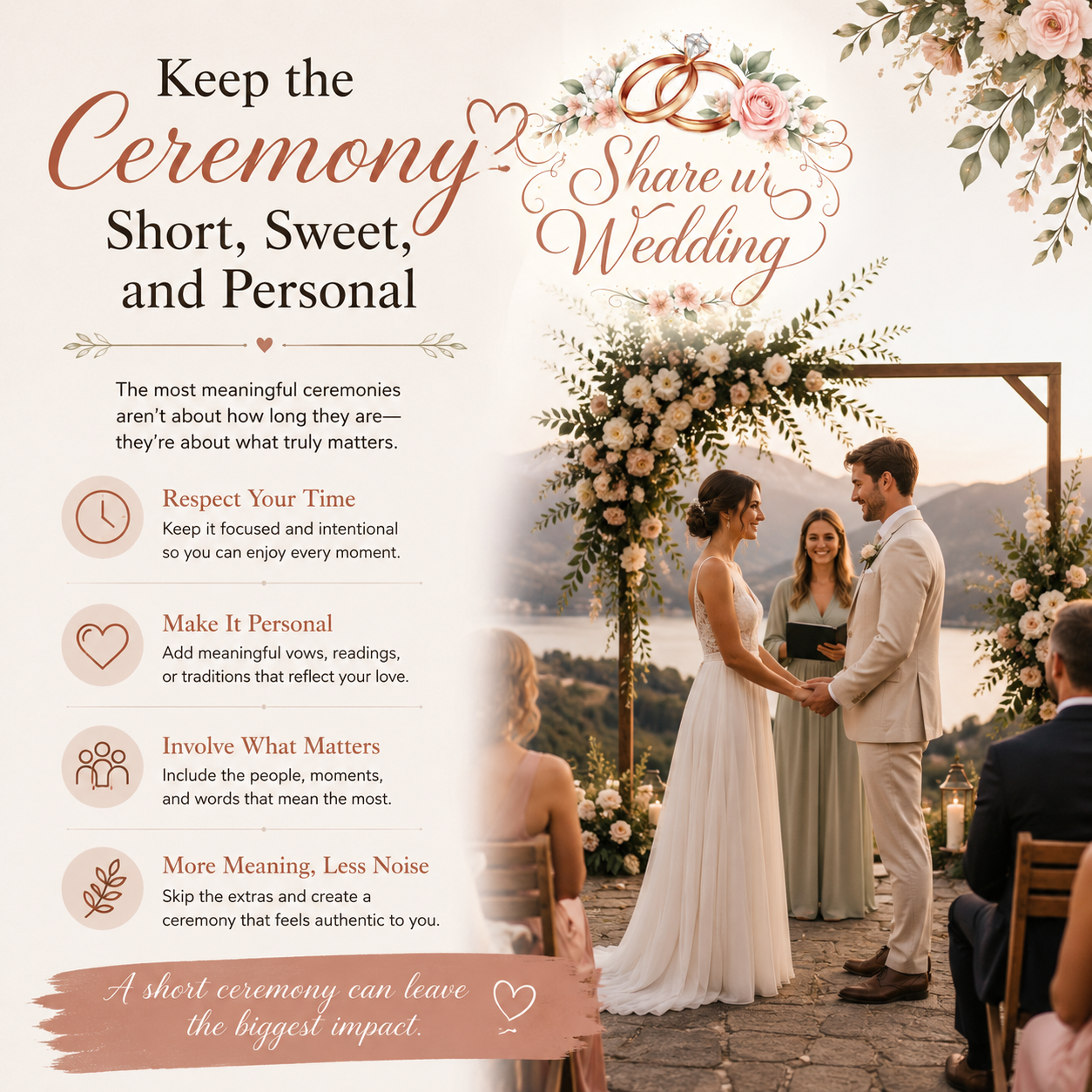
There’s no rule that says your ceremony needs to last an hour. For introverted couples, a shorter ceremony — 15 to 20 minutes of meaningful rituals — often feels more powerful than a prolonged one. You can work with your pandit or officiant to focus on the rituals that hold the most significance for you and skip or shorten the ones that don’t.
If reading personal vows in front of everyone feels terrifying, that’s perfectly okay. You can use traditional vows during the ceremony and save your personal words for a private moment — perhaps during the first look, or in handwritten letters you exchange on the morning of the wedding. The words aren’t less meaningful because they were shared privately. In fact, for introverts, they’re often more meaningful.
6. Choose a Venue That Feels Like a Warm Hug
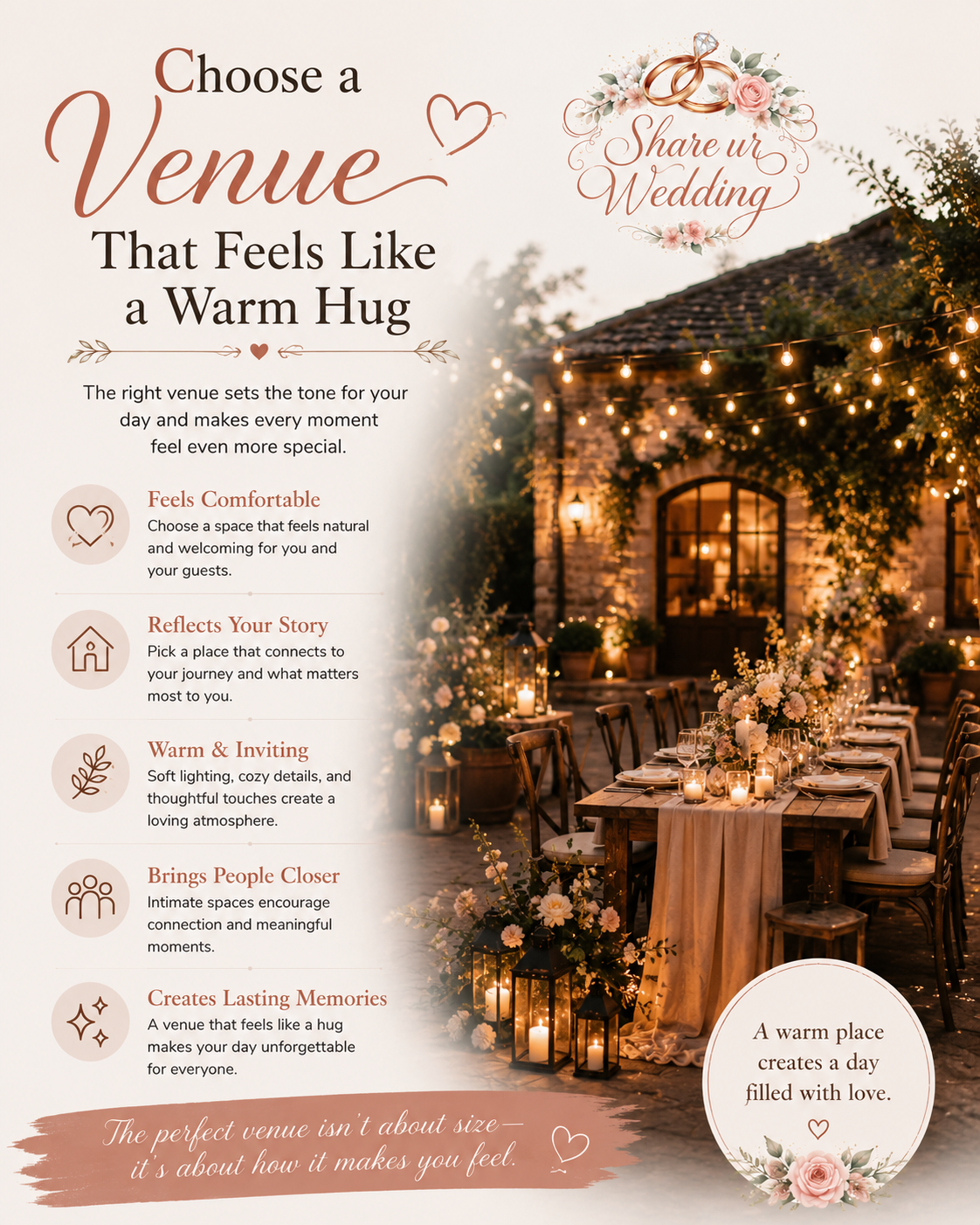
The venue sets the emotional tone for your entire wedding. Large, cavernous banquet halls can make intimate celebrations feel empty and impersonal. Instead, look for venues that naturally encourage closeness and warmth.
Some venue ideas that work beautifully for introvert-friendly weddings include boutique heritage hotels and havelis, private villas or farmhouses with garden spaces, small family-run resorts in scenic locations, your own home or a family member’s home with a spacious outdoor area, intimate restaurants that can be booked exclusively, temple complexes with beautiful traditional architecture, and cosy coffee shops or art galleries for the truly unconventional.
In India, there are stunning options at every budget level — from heritage properties in Rajasthan and backwater resorts in Kerala to hilltop estates in Coorg and beachside villas in Goa. Smaller venues also tend to cost significantly less, which means you can invest more in the details that actually matter to you.
7. Replace the Dance Floor With Activities You Actually Enjoy
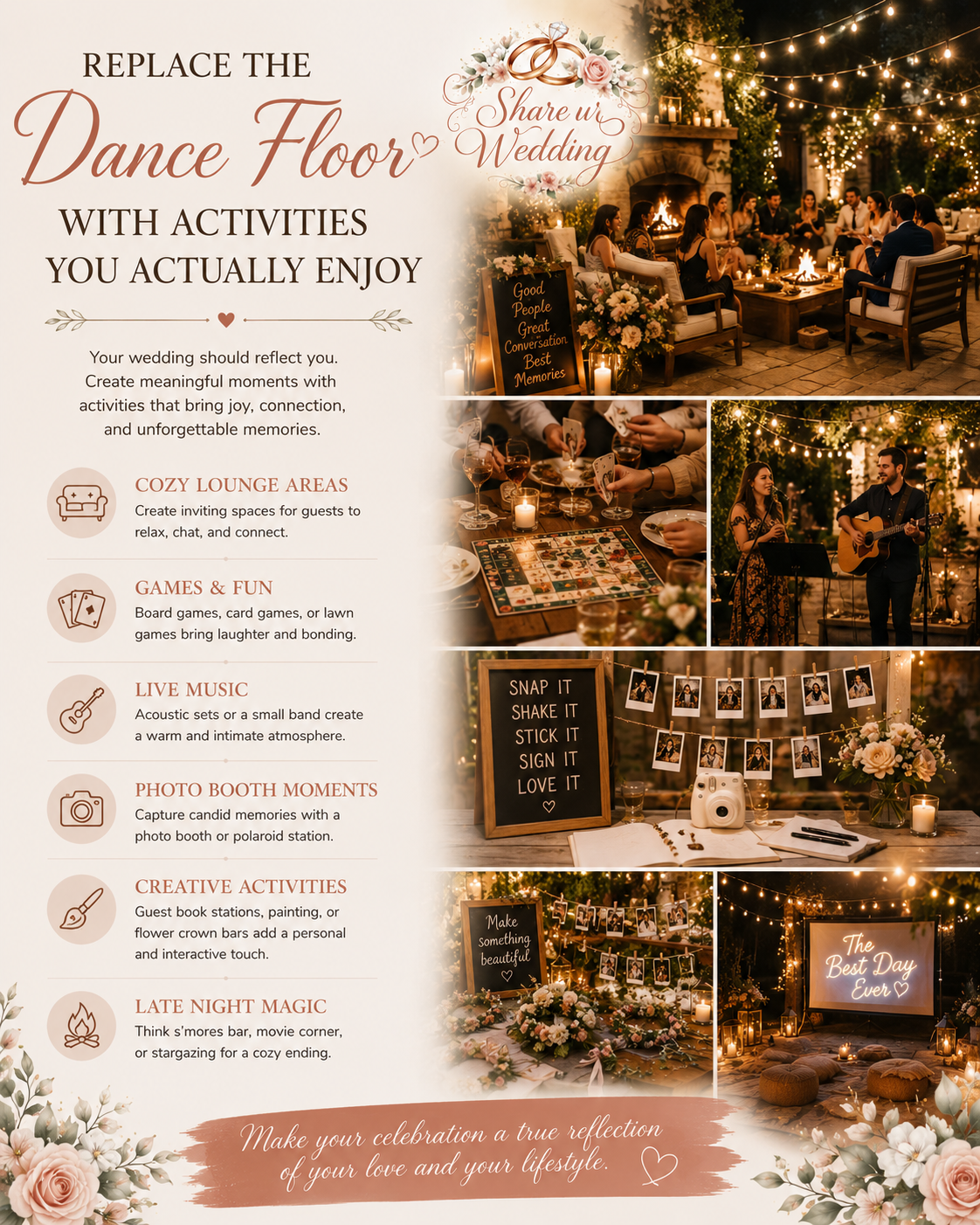
If the thought of a spotlight first dance makes your stomach drop, you’re not alone. Many introverted couples dread the reception dance floor more than any other part of the wedding. The good news is that you can replace it entirely with activities that feel natural and enjoyable.
Board games and card games scattered across tables give guests something fun to do while allowing you to move between groups at your own pace. Lawn games like badminton, cornhole, or even carrom boards work beautifully for outdoor receptions. A bonfire with a s’mores station creates a relaxed, warm atmosphere where conversation happens naturally without forced interaction. A live acoustic musician playing softly in the background sets a calming mood that’s far more introvert-friendly than a DJ demanding everyone get on the dance floor.
If you do want a first dance but don’t want all eyes on you, ask your DJ to invite other couples to join the floor after the first 30 seconds. Within moments, the spotlight shifts away from you, and you can enjoy the dance without feeling watched.
8. Build Quiet Breaks Into Your Wedding Timeline
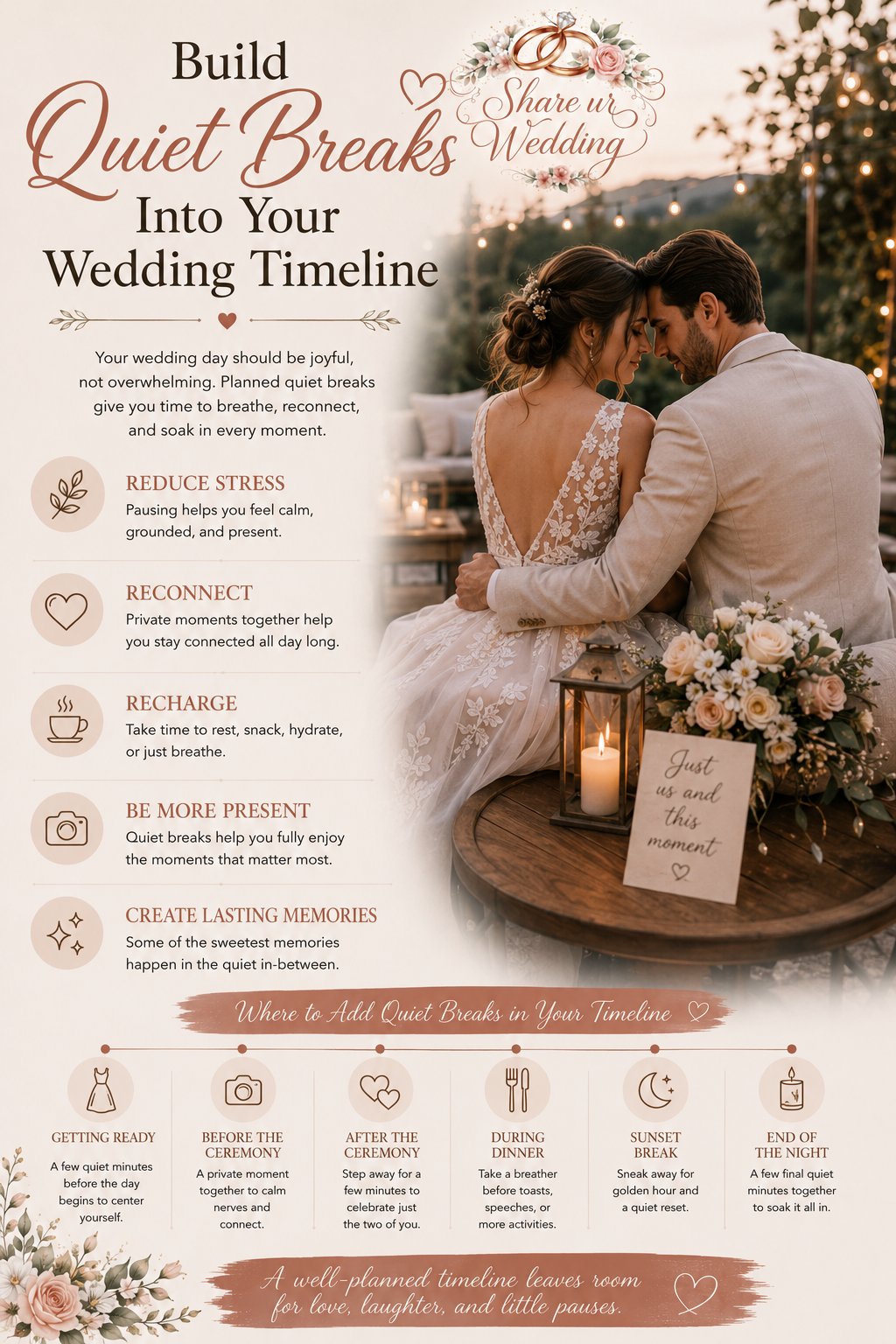
This is one of the most important tips for introverted couples, and it’s the one most people forget. Your wedding day is long. Even a simple one involves hours of social interaction, emotional intensity, and constant attention. Without planned breaks, you’ll hit a wall.
Work with your planner or coordinator to schedule 15 to 20 minute breaks at key points during the day — after the ceremony, during the cocktail hour, and midway through the reception. Use these breaks to retreat to a private room with your partner, eat something, breathe, and simply be quiet together for a few minutes.
One couple described their post-ceremony alone time as the single best part of their entire wedding. They had arranged for the venue to bring them snacks and drinks in a private room while guests enjoyed cocktail hour. They sat together in comfortable silence, processed what had just happened, and felt ready to face the rest of the evening with genuine energy rather than forced enthusiasm.
9. Let Written Words Replace Public Speeches
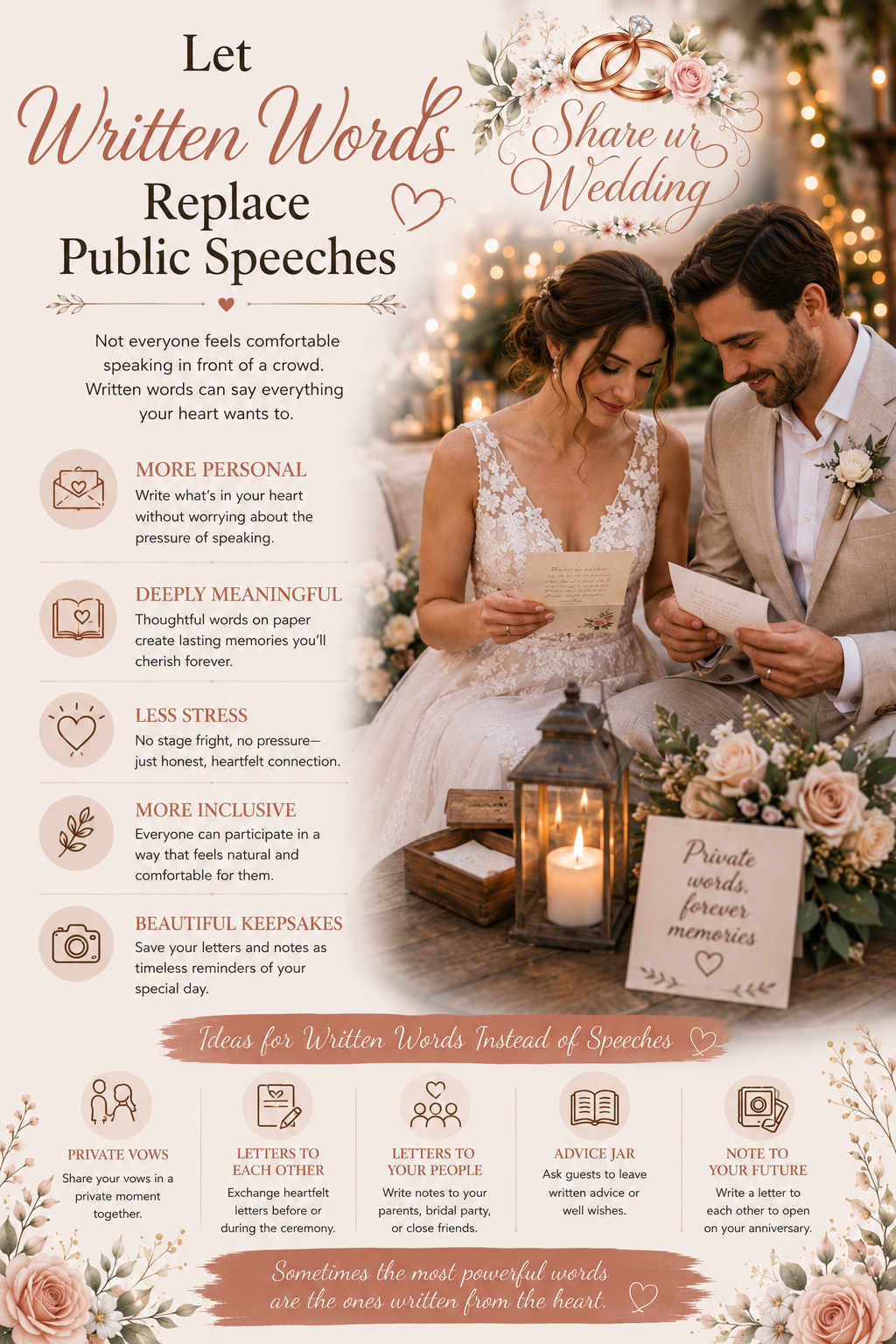
Speeches and toasts can be wonderful, but they put you in a position of being emotionally vulnerable while everyone watches your reaction. For introverts, this can feel unbearable. If you’d rather not be on the receiving end of public speeches, you have beautiful alternatives.
Ask family members and close friends to write letters instead. You can read them privately after the wedding — on your honeymoon, on your first anniversary, whenever feels right. The words aren’t lost; they’re just experienced in a context where you can fully absorb them.
If you don’t want to give a “thank you” speech yourself, you can express your gratitude through personalised thank-you cards placed at each guest’s seat, small handwritten notes attached to wedding favours, or a beautifully printed message displayed at the reception entrance.
10. Choose Food Experiences That Encourage Connection
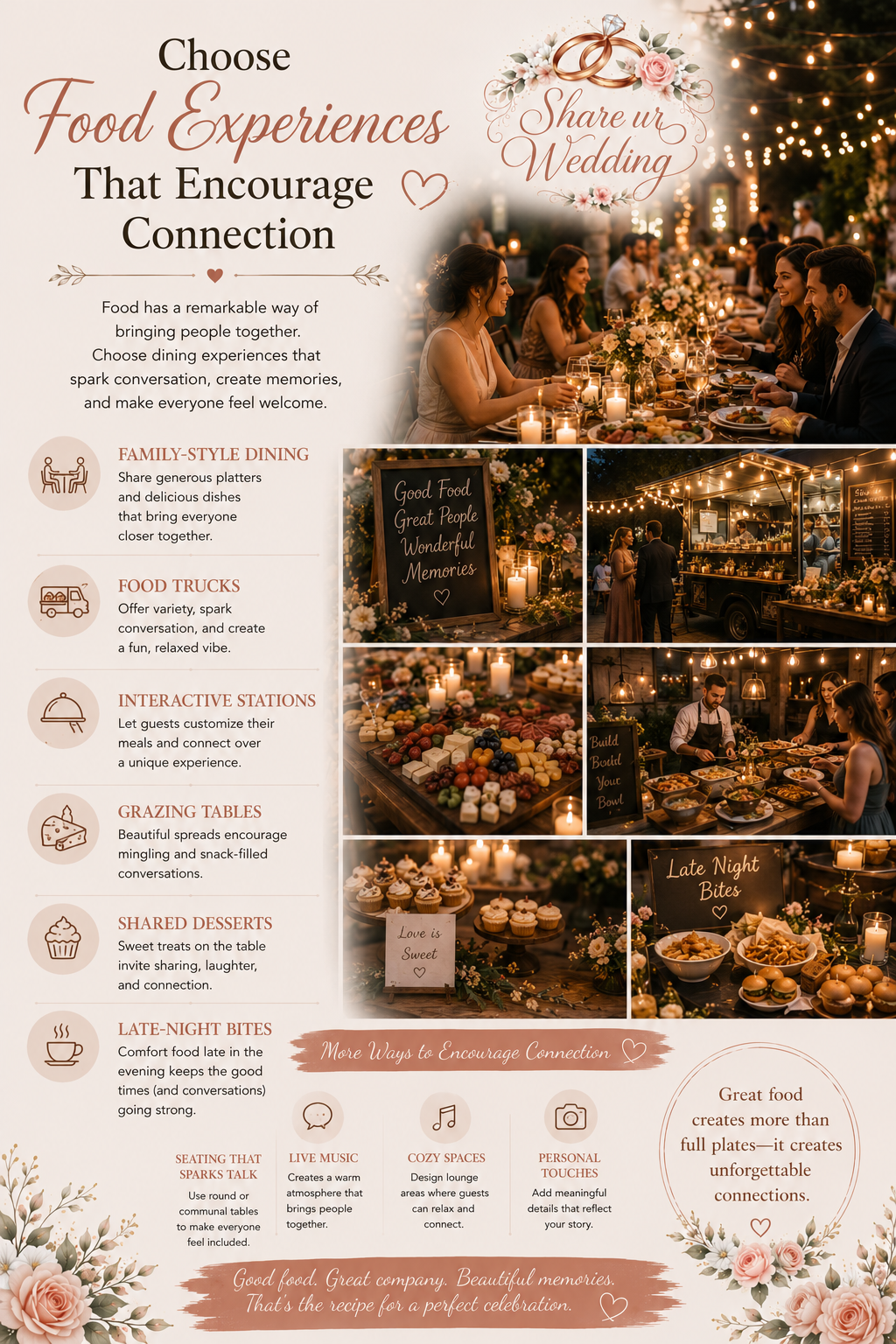
Large buffet lines and crowded food stations create exactly the kind of chaotic social environment that introverts find draining. Instead, consider food formats that encourage smaller, more meaningful interactions.
A sit-down dinner with a curated menu allows you to control the pace and atmosphere. You eat, you talk to the people at your table, and nobody’s jostling for space at a buffet counter. Family-style dining, where dishes are shared at the table, creates warmth without chaos. Interactive food stations — a live pasta counter, a chaat station, or a dosa corner — give guests something engaging to do that isn’t centred on you.
For truly small weddings, a potluck-style meal where close family members each contribute a favourite dish can be incredibly personal and meaningful. It also takes the pressure off having to organise a massive catering operation.
11. Opt for Intimate Decor Over Grand Production
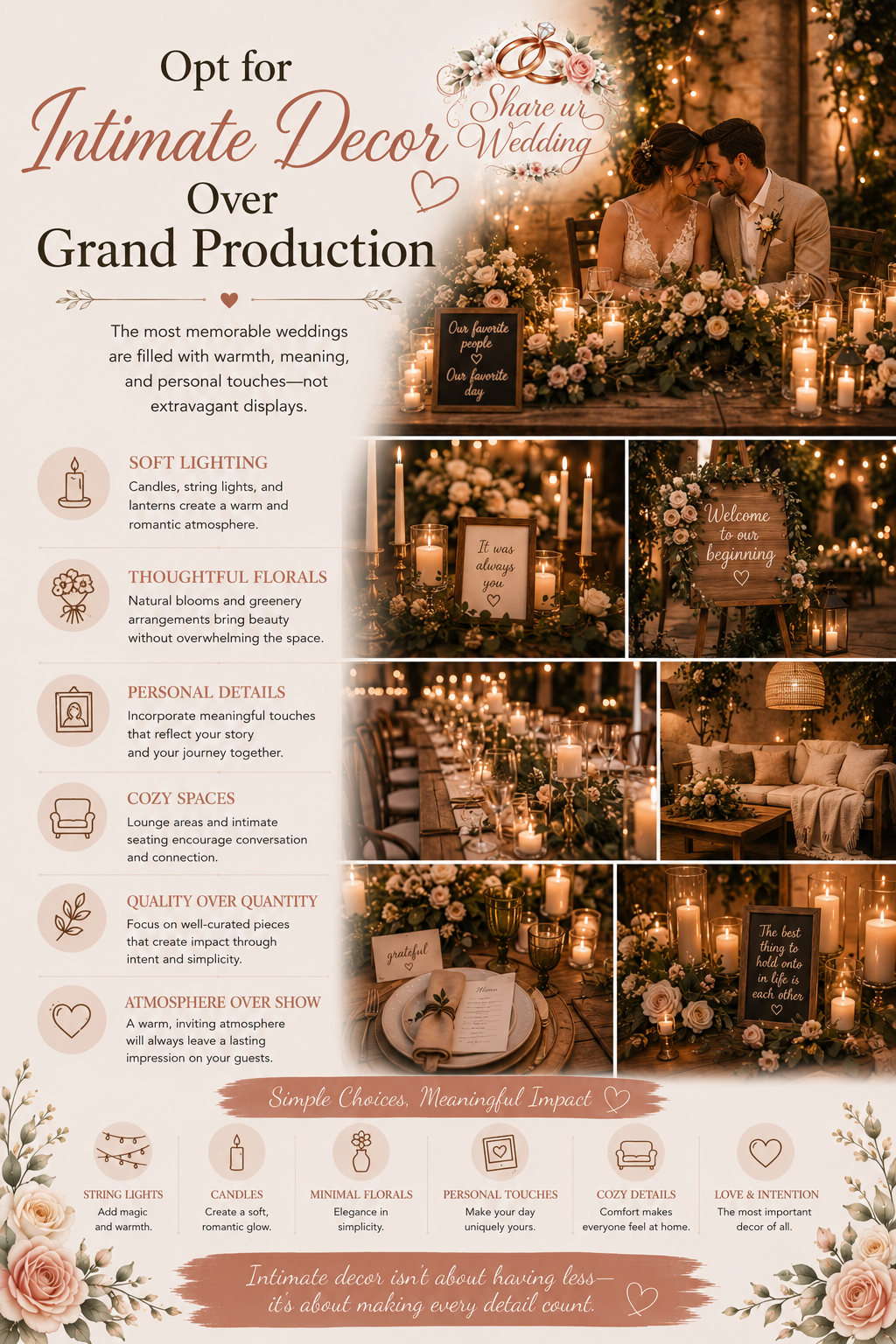
Introvert-friendly weddings tend to look different from traditional ones — and that’s a good thing. Instead of massive stage setups with towering flower arrangements and blinding spotlights, think about decor that creates a sense of warmth, closeness, and comfort.
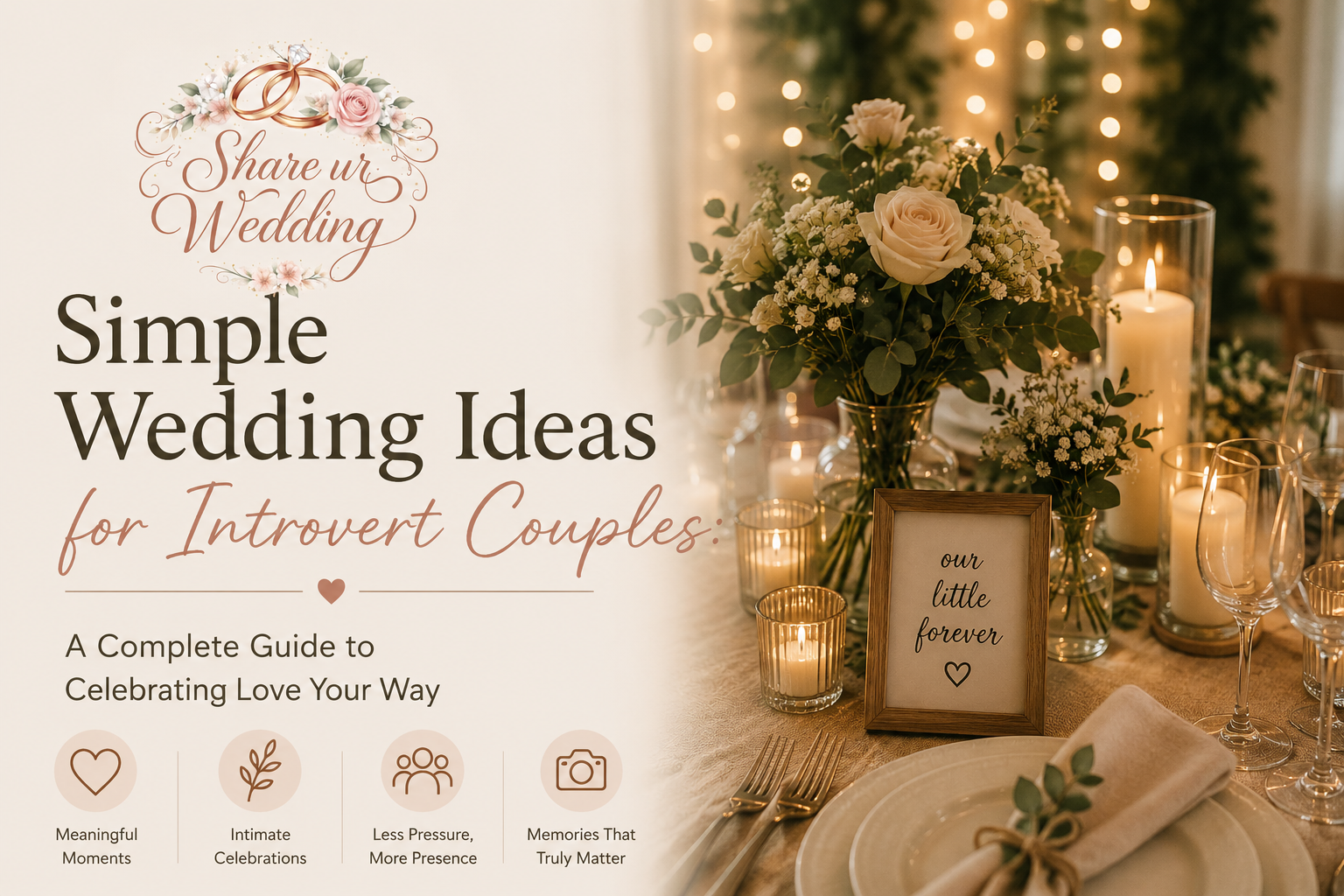
Fairy lights and candles create a soft, warm glow that feels infinitely more intimate than harsh event lighting. Simple floral arrangements using local seasonal flowers — marigolds, jasmine, mogra — add beauty without overwhelming the senses. Natural settings that require minimal decoration — gardens, courtyards, heritage architecture — let the venue do the work. Comfortable seating arrangements, perhaps mixing traditional chairs with cosy floor cushions or sofas, encourage guests to relax and stay awhile.
The goal is to create a space that feels like a warm, beautiful extension of your home — not a stage where you’re performing for an audience.
12. Hire Vendors Who Understand Your Energy
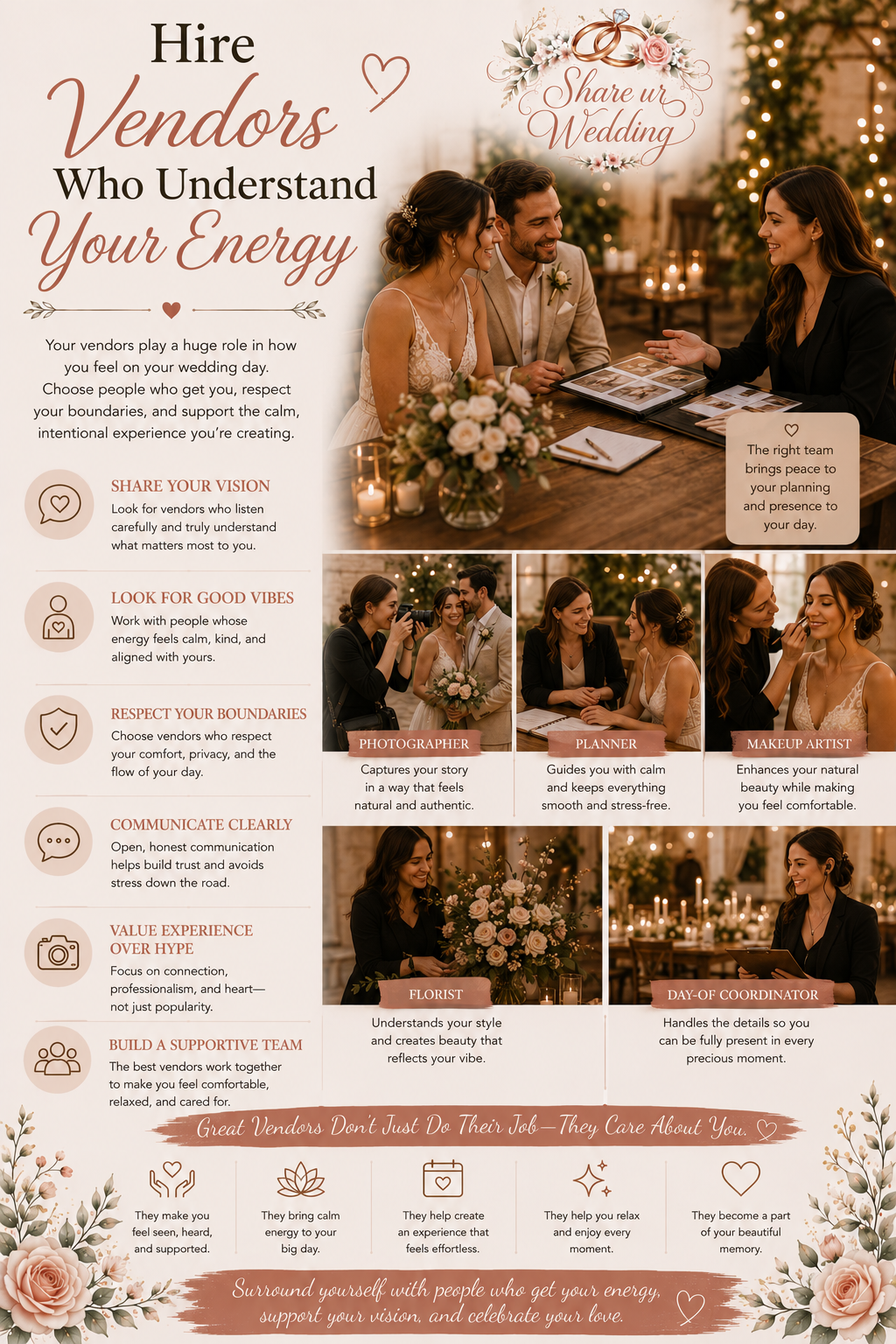
This is a practical detail that makes an enormous difference. The vendors you work with — your photographer, your decorator, your caterer, your makeup artist — will be in your personal space all day. If any of them are loud, pushy, overly directive, or constantly demanding your attention, it will drain you faster than anything else.
When interviewing vendors, pay attention to their energy. A good photographer for introverted couples will work quietly, capture candid moments without constantly posing you, and know when to give you space. A good wedding planner will handle chaos behind the scenes so you never have to see it. A good makeup artist will create a calm, relaxing experience rather than a chaotic one.
Tell your vendors upfront that you’re introverted and explain what that means for the day. Most professionals appreciate the honesty and will adjust their approach accordingly.
How to Handle Family Expectations as an Introverted Couple
Let’s address the elephant in the room. In Indian families, weddings are rarely just about the couple. Parents have dreams, extended family has opinions, and the concept of “log kya kahenge” (what will people say) can put enormous pressure on introverted couples to host a wedding that doesn’t align with who they are.
Here’s how to navigate this thoughtfully.
Start the conversation early. The sooner you communicate your preferences to your family, the more time they have to process and adjust their expectations. Don’t wait until two months before the wedding to announce you want 30 guests instead of 300.
Explain the “why” behind your choices. Most Indian parents aren’t trying to make you miserable — they genuinely want your wedding to be beautiful and memorable. Help them understand that for you, memorable means intimate, not enormous. Share articles like this one. Show them photos of stunning micro-weddings. Paint a picture of what your dream day looks like so they can see the beauty in it.
Offer meaningful compromises. If your parents absolutely insist on inviting certain relatives, find middle ground. Perhaps you host a small, private ceremony exactly the way you want it, followed by a larger reception a week later where the extended family is included. This way, nobody feels excluded, and you don’t have to perform your most vulnerable moments in front of a crowd.
Stand firm on your non-negotiables. Compromise is healthy, but your wedding should still feel like yours. If a short ceremony, a small guest list, or skipping the baraat is essential to your mental wellbeing on your wedding day, communicate that clearly and calmly. The people who love you will ultimately respect your choices.
Budget Benefits of a Simple, Introvert-Friendly Wedding
Here’s something that makes the practical side of your brain very happy: simple, intimate weddings are almost always significantly cheaper than traditional large-scale ones.
When you reduce your guest list from 300 to 50, the savings cascade through every aspect of the wedding. Venue costs drop dramatically because you’re booking a smaller, often more beautiful space. Catering costs shrink in proportion to the guest count, and with fewer mouths to feed, you can afford higher quality food. Decor budgets stretch further in smaller spaces, with simple arrangements creating more impact per rupee. Wedding attire, while still a personal choice, doesn’t need to compete with a grand venue — you can choose comfort over spectacle. Stationery, favours, logistics, and transportation all cost less with fewer people to manage.
Many couples find that their micro-wedding costs 40 to 60 percent less than a traditional wedding would have — and the money saved can go toward a dream honeymoon, a down payment on a home, investments, or simply starting married life without financial stress.
A realistic budget range for an intimate Indian wedding in 2026 looks something like this: a simple home or backyard ceremony with 20 to 30 guests can be done beautifully for ₹1,50,000 to ₹4,00,000. A curated micro-wedding at a boutique venue with 40 to 60 guests typically falls between ₹4,00,000 and ₹10,00,000. A luxe intimate wedding at a destination property with 50 to 80 guests might range from ₹10,00,000 to ₹25,00,000 or more, depending on the location and level of customisation.
Simple Ceremony Ideas That Feel Meaningful Without the Overwhelm
You don’t need a two-hour ceremony to have a meaningful one. Here are ceremony formats that introverted couples are loving.
A sunrise or sunset ceremony with just immediate family, held outdoors with natural light, minimal decor, and the sound of nature as your background music. Brief, beautiful, and deeply personal.
A temple wedding with only close family present, followed by a separate reception or dinner for the wider circle. Temples provide a naturally sacred and intimate atmosphere without the need for elaborate staging.
A home ceremony in your parents’ courtyard or living room, decorated simply with flowers and diyas. This was how many of our grandparents got married, and there’s a timeless beauty in returning to that simplicity.
A destination ceremony in a place that’s meaningful to your relationship — where you first met, where you got engaged, or somewhere you’ve always wanted to visit together. With a small group and a stunning location, the setting becomes your decor.
Reception Alternatives for Couples Who Don’t Want a Traditional Party
Not every celebration needs to be a party. Here are reception alternatives that feel more natural for introverted couples.
An intimate sit-down dinner at a favourite restaurant, where the food is exceptional and the atmosphere encourages conversation rather than performance.
A weekend retreat at a scenic resort, where wedding events are spread across two or three days — giving everyone time to connect without the pressure of a single high-intensity evening.
A brunch wedding with close family and friends, featuring great food, warm sunlight, and a relaxed timeline that ends by early afternoon — leaving you with energy to spare.
A house party with homemade food, your favourite playlist on the speakers, comfortable clothes, and absolutely zero formality. Some of the most loved weddings are the ones that feel like the best dinner party anyone’s ever been to.
A cultural experience like a pottery class, a cooking session, or a guided nature walk that you do together with your guests. Shared activities create bonding without the forced social dynamics of a traditional reception.
Things You Can Absolutely Skip (Without Any Guilt)
Here’s a liberating list of wedding traditions that are completely optional. Skipping any of these doesn’t make your wedding less valid, less beautiful, or less meaningful.
The grand bridal entry with spotlight and fog machines. The baraat procession. The bouquet toss and garter ceremony. Public speeches and toasts. The couple’s first dance with everyone watching. The glass-clinking kissing tradition. Matching bridesmaids and groomsmen outfits. A towering multi-tier wedding cake with a formal cutting ceremony. Videography if having a camera constantly following you feels intrusive. After-party celebrations when you’re already running on empty.
You keep what feels right. You skip what doesn’t. That’s it. That’s the whole rule.
Frequently Asked Questions
Is it okay to have a wedding with less than 50 guests in Indian culture?
Absolutely. While large weddings have been the tradition, the cultural landscape is shifting rapidly. Micro-weddings and intimate celebrations are widely accepted in 2026, and many families are embracing the idea of quality over quantity. What matters is that the people present are the ones who genuinely care about your happiness.
How do I tell relatives they’re not invited without hurting feelings?
Be honest but kind. Explain that you’re having an extremely intimate celebration limited to immediate family and closest friends, and that it’s a reflection of your personality, not a ranking of how much you value people. Offering to celebrate with them separately — perhaps at a small dinner or gathering after the wedding — can soften the message considerably.
Can introverts still have a beautiful Indian wedding with all the rituals?
Of course. Being introverted doesn’t mean giving up traditions you love. It means adapting the context in which those traditions happen. You can have a full ceremony with pheras, kanyadaan, and mangalsutra — just with 30 people present instead of 300. The rituals don’t lose their meaning because the audience is smaller.
What if one partner is introverted and the other is extroverted?
This is more common than people think. The key is honest conversation and compromise. Perhaps the ceremony is kept intimate and private (for the introvert), while the reception is larger and more social (for the extrovert). Or you host two events — a quiet ceremony and a lively celebration — each honouring a different personality. The important thing is that both partners feel respected and comfortable.
How far in advance should we start planning an intimate wedding?
Three to six months is usually sufficient for a micro-wedding, compared to the 12 to 18 months often needed for larger celebrations. Smaller weddings have fewer moving parts, which means less lead time. That said, if you have a specific venue or date in mind during peak wedding season, booking early is still wise.
Final Thoughts
Your wedding day should feel like the beginning of something beautiful — not the end of an exhausting ordeal. If you’re an introverted couple, you don’t need to apologise for wanting something simple, quiet, and deeply personal. You don’t need to perform happiness for an audience. You just need to be present, be together, and feel the weight of the moment in a way that’s real.
The most memorable weddings aren’t the loudest ones. They’re the ones where the couple looks genuinely happy. Where every guest feels seen and valued. Where the love in the room is so palpable that nobody notices the absence of a DJ or a dance floor.
That’s the kind of wedding worth having. And as an introverted couple, you’re uniquely positioned to create exactly that.